Ottoman Scroll Vine Border Embroidery Review
As an experienced embroidery designer who has spent years crafting assets for small business owners and creative studios, I know that choosing the right design file is about more than just aesthetics. It is a strategic decision that impacts brand identity, production costs, and customer perception. Today, I am reviewing the Ottoman Scroll Vine Border Embroidery to determine its viability for commercial applications like branded patches, staff uniforms, and product packaging. This review focuses on how this digital asset performs in real-world scenarios for Etsy sellers, apparel decorators, and boutique brands.
First Impressions: A Blend of Classic Elegance and Modern Utility
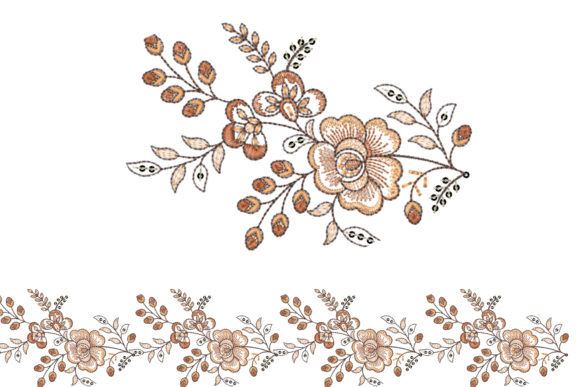
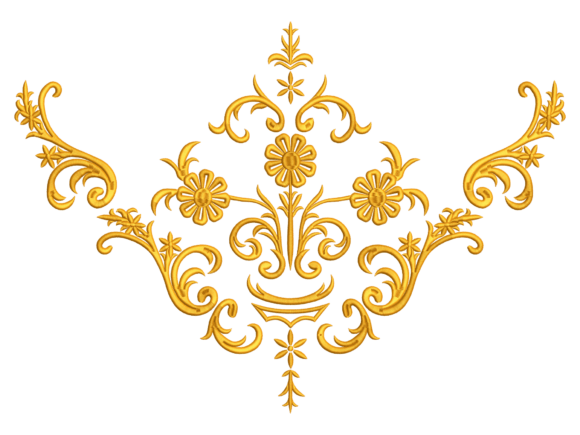
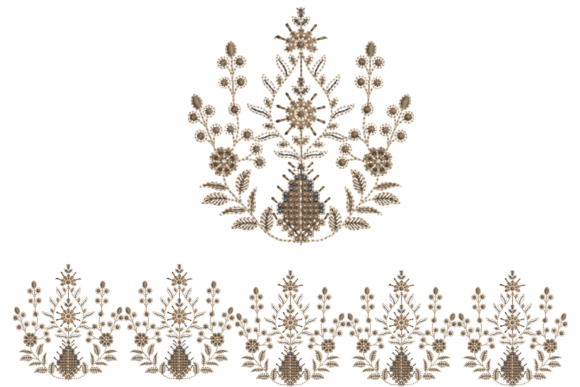
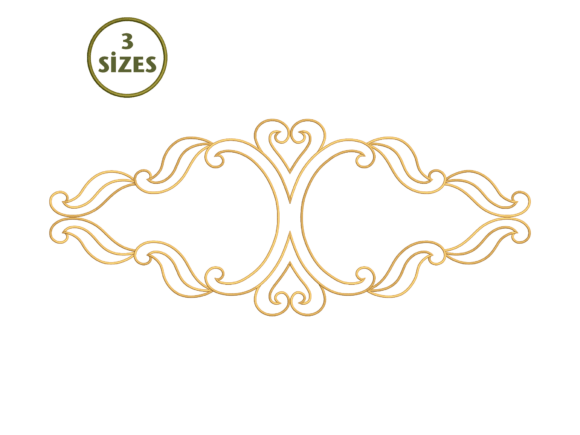
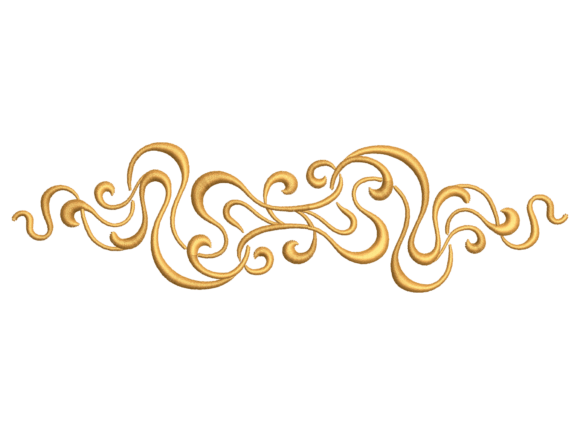
When you first encounter the Ottoman Scroll Vine Border Embroidery, the immediate feeling is one of sophisticated heritage. The title suggests a classic aesthetic, likely featuring intricate floral motifs and sweeping curves reminiscent of traditional Ottoman art. For a small business owner looking to elevate their handmade product presentation, this design offers a premium feel without appearing overly ornate or dated. It strikes a balance between rustic charm and professional polish, making it suitable for bakeries, florists, and creative studios that want to convey trustworthiness and attention to detail.
The design category, labeled as a Borders type, indicates its primary function as a framing element or an accent line rather than a standalone central logo. This versatility is crucial for modern branding. Whether used to frame a product label on a tote bag or to add a refined edge to a chef's apron, the Ottoman Scroll Vine Border Embroidery adds a layer of visual consistency that elevates the perceived value of the finished item. It feels friendly yet established, perfect for businesses that want to stand out in a crowded marketplace.
Real-World Application for Small Business Merchandise
In my experience working with small business merch, the most successful designs are those that adapt well to various substrates. The Ottoman Scroll Vine Border Embroidery excels in this area. Imagine a local café using this design on their staff aprons; the scrollwork creates a beautiful horizontal band across the chest or waist, instantly signaling professionalism and team unity. Similarly, for a boutique selling handmade goods, this border can be stitched onto the hem of tote bags, turning a simple canvas carrier into a branded piece of merchandise.
For creators selling on platforms like Etsy, the ability to use a digital embroidery file to create custom labels is a game-changer. This design works exceptionally well as a decorative accent on product tags or as a border around a main logo patch. When applied to caps, the curved nature of the vine allows it to follow the contour of the hat front, creating a dynamic look that flat prints cannot achieve. It transforms standard custom apparel into something unique and tactile.
I have also seen this style of border used effectively on event merchandise. For craft fairs or pop-up shops, a commercial embroidery project featuring the Ottoman Scroll Vine Border Embroidery can unify all promotional items, from hats to shirts to bags. The repetitive nature of a border design ensures that even if the placement varies slightly, the overall brand message remains consistent and cohesive.
Strategic Considerations and Potential Pitfalls
While the Ottoman Scroll Vine Border Embroidery is visually appealing, there are specific scenarios where caution is required. One of the primary concerns for any embroidery file is stitch density. Intricate scrollwork often requires a higher density to maintain definition. If this design is downsized too much for a tiny patch or a small cap logo, the details may become muddy or lose their shape entirely. It is essential to test the design at the intended final size before committing to a large production run.
Another critical factor is the fabric texture. On smooth, high-density fabrics like twill or polyester blends, the vines will render crisply. However, on rougher textures like heavy denim or coarse canvas, the fine lines of the border might get lost or appear uneven. Furthermore, when embroidering on dark uniforms, thread color contrast becomes paramount. If the background is black, a light-colored vine will pop, but a dark vine might disappear unless a high-quality underlay and specific thread choices are used.
Curved surfaces present another challenge. While caps are excellent candidates, the tension required to pull the fabric tight around the curve can distort the delicate scrolls. Designers must ensure the digitization accounts for this distortion. Additionally, items that undergo frequent industrial washing, such as work shirts, require durable stitching. The Ottoman Scroll Vine Border Embroidery should be reviewed to ensure the stitch patterns are robust enough to withstand repeated laundering without fraying or pulling.
Impact on Brand Identity and Customer Trust
In the world of brand identity, the quality of your embroidery speaks volumes about your business. A poorly executed design can signal carelessness, while a well-executed border like the Ottoman Scroll Vine Border Embroidery signals expertise and pride in craftsmanship. Customers often associate high-quality embroidery with durability and luxury. By incorporating this design into your finished product, you are not just adding decoration; you are reinforcing a narrative of quality and tradition.
This design helps build customer recognition. When a client sees the distinctive scroll pattern on a tote bag or a uniform, they immediately associate it with your brand. This visual consistency across different touchpoints—from tote bag design to apron embroidery—creates a memorable experience. It turns a simple transaction into a brand interaction, fostering loyalty and encouraging repeat business. The "handmade" feel of embroidery, even when produced digitally, adds a personal touch that mass-produced printed logos simply cannot replicate.
Essential Designer Notes for Production
Before integrating the Ottoman Scroll Vine Border Embroidery into your commercial projects, there are several technical steps every designer must take. First, always test the design in black and white to check the silhouette and spacing. This ensures that the negative space within the vines is sufficient for clean stitching.
Review the thread colors carefully against your chosen fabric. High contrast usually yields the best results for detailed borders. You must also confirm the hoop size required for the design; a long border may need a larger hoop or multiple hooping sessions, which increases production time. Using the proper stabilizer is non-negotiable, especially for stretchy fabrics or lightweight materials, to prevent puckering.
Create a printable mockup to show clients what the final product will look like. This manages expectations and reduces the risk of costly reworks. Compare this design beside other design assets in your collection to ensure it matches the weight and style of your existing logos. Finally, strictly adhere to licensing terms. Since this is a digital embroidery file delivered in ZIP or RAR format, verify that your purchase includes the necessary commercial license for resale items. Remember that no physical item will be shipped, and returns are not available for digital products, so due diligence before download is vital.
By following these guidelines, the Ottoman Scroll Vine Border Embroidery can become a powerful tool in your arsenal for creating professional, branded merchandise that stands the test of time and wear.