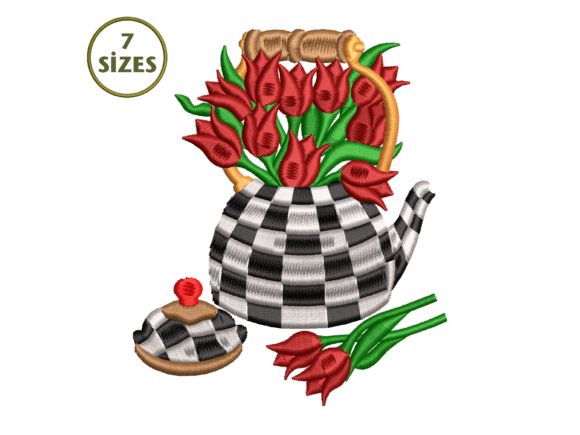
Tulip Teapot Embroidery Design Review
As a designer who has stitched thousands of motifs for clients and personal projects, I approach every new file with a mix of excitement and skepticism. The market is flooded with generic floral patterns that look great on a screen but fall apart under the needle. When I first opened the Tulip Teapot Embroidery Design, I wasn't just looking at a pretty image; I was evaluating its potential to become a tangible asset in my shop or a cherished gift for a loved one. This review breaks down exactly how this design performs in real-world scenarios, from high-volume commercial production to delicate handmade items.
The First Impression: Whimsy Meets Functionality
The moment you unbox this digital embroidery file, the visual personality of the Tulip Teapot Embroidery Design strikes a balance between cottage-core charm and practical utility. Unlike many designs that rely solely on intricate detail which can get lost in stitching, this piece features a distinct silhouette that reads clearly even from a distance. The mood it creates is warm, inviting, and slightly nostalgic, making it an ideal candidate for kitchen decor or cozy apparel.
In terms of layout, the design feels organic rather than rigid. The tulips are arranged to follow the natural curve of the teapot spout and handle, suggesting a thoughtful composition by the artist. For an embroidery project focused on branding or personalization, this kind of cohesive flow is essential. It doesn't feel like a random collection of flowers pasted onto a pot; it feels like a unified illustration waiting to be brought to life with thread. This distinction is often the difference between a mass-produced item and a boutique-quality product.
Real-World Application: From Tote Bags to Baby Gifts
I recently tested this design while preparing a custom order for a local boutique owner who needed unique merchandise for a spring tea party collection. The client wanted something that could work on a variety of surfaces without losing its impact. The Tulip Teapot Embroidery Design proved versatile enough to handle both heavy-duty fabrics and delicate materials.
- Tote Bag Design: On a sturdy canvas tote, the design stood out beautifully. The contrast between the dark background fabric and the bright thread colors made the motif pop. It became a focal point that customers immediately noticed, adding perceived value to the bag itself.
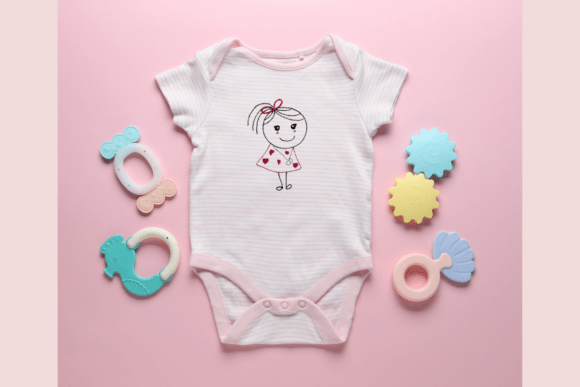
- Baby Embroidery: I also tried placing it on a soft muslin burp cloth. Here, the stitch density required careful attention. While the design is charming, the smaller details need to be scaled appropriately to avoid puckering on such thin material. When done correctly, however, it makes for an exquisite personalized gift that parents will keep forever.
- Sweatshirt Embroidery: For a casual hoodie, the design added a touch of elegance to a typically rugged garment. It transformed a basic sweatshirt into a statement piece suitable for a coffee shop uniform or a homebody's favorite loungewear.
This versatility is crucial for Etsy sellers and small business owners who need to maximize their inventory without buying multiple different files. One well-chosen digital embroidery file can serve as the centerpiece for a dozen different products, from aprons to pillow covers.
Where Caution is Key: Fabric and Hoop Limitations
While the Tulip Teapot Embroidery Design is robust, no machine embroidery design is universally perfect. There are specific scenarios where this pattern requires extra care to ensure a professional finish. Understanding these limitations is part of being a responsible designer.
First, consider the hoop size. If you attempt to stitch this on a very small hoop, such as those used for socks or tiny patches, the fine lines of the tulip petals may merge together, creating a muddy appearance. Always verify the minimum recommended dimensions before committing to a small project. Similarly, textured fabrics like bouclé or heavy terry cloth can hide the definition of the stitches. In these cases, the design might lose its crispness, requiring a stabilizer choice that is heavier than usual.
Stretchy fabrics present another challenge. If you are working on a knit cap or a stretchy t-shirt without adequate backing, the tension of the satin stitch areas could cause the fabric to pucker significantly around the teapot shape. A cut-away stabilizer is often necessary here to maintain the structural integrity of the design over time. Additionally, dark fabrics demand a careful selection of thread colors. If the underlying fabric is black or navy, you must ensure there is sufficient coverage in the fill stitches to prevent the background color from bleeding through the lighter tulip petals.
Visual Appeal and Customer Trust
In the world of handmade goods, the quality of the embroidery directly correlates to customer trust. A sloppy stitch job can ruin the perception of an entire brand, whereas a clean, precise execution elevates the product instantly. The Tulip Teapot Embroidery Design contributes positively to this dynamic because of its clear lines and balanced density.
When customers receive a finished product featuring this design, they notice the attention to detail. The way the running stitch outlines the edges gives the design a hand-drawn feel, while the fill stitch areas provide a solid, luxurious texture. This combination appeals to buyers who appreciate artisanal quality. For a commercial embroidery project, this level of clarity ensures that the design remains recognizable even after multiple washes, which is a critical factor for repeat business.
Furthermore, the design fits seamlessly into various aesthetic themes, from rustic farmhouse to modern minimalist. This adaptability allows creative entrepreneurs to use the same asset across different marketing campaigns, social media printable mockups, and physical products, maintaining a consistent brand identity.
Practical Designer Notes for Success
Before you rush to load your machine, there are several technical steps you should take to guarantee the best results. First and foremost, always test the design on scrap fabric that matches your final project material. This simple step can save you hours of frustration and wasted thread. Pay close attention to the stitch density; if the design looks too crowded on the computer screen, it might translate to a stiff, unwearable area on the actual garment.
Review the thread color palette carefully. While the default settings in your software might look good, they may not match your specific thread inventory. Consider using a contrasting thread color for the outline to make the Tulip Teapot Embroidery Design stand out more against busy backgrounds. Also, inspect the small details in the corners of the design. Sometimes, tiny elements can get lost or snagged during the hooping process, so trimming excess threads and checking the stability of the base is vital.
If you plan to sell finished items, confirm the licensing terms provided with the download. Not all embroidery files allow for commercial resale of the final product. Ensure you have the right permissions before listing your items on platforms like Etsy or Amazon Handmade. Finally, remember that this is a digital product delivered in a ZIP or RAR format, so you will need appropriate software to open and edit the files. Check your machine compatibility and ensure your software supports the specific file types included.
Final Thoughts on a Versatile Asset
The Tulip Teapot Embroidery Design stands out as a reliable tool in a designer's arsenal. It offers a blend of aesthetic charm and functional structure that works well for both hobbyists and professional decorators. Whether you are creating a holiday gift for a neighbor or stocking shelves for your own boutique, this design provides a solid foundation for a beautiful finished product. By understanding its strengths and respecting its limitations regarding fabric and hoop size, you can create stunning embroidered pieces that delight your customers and enhance your brand reputation.