Owl Line Art Embroidery Design Review
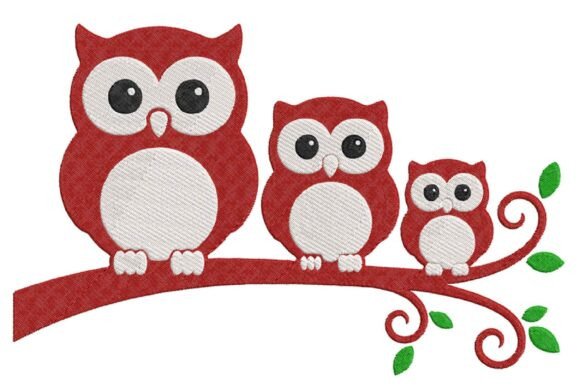
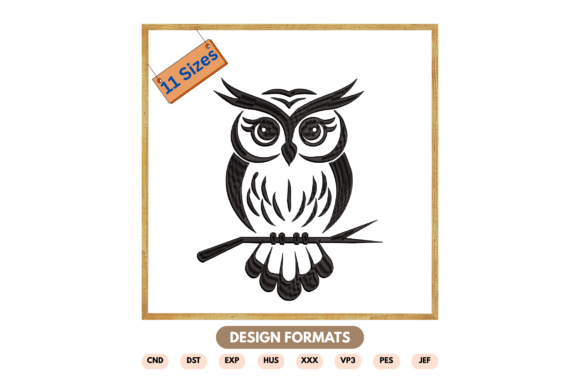
As an experienced embroidery designer who has spent years refining designs for commercial use, I often get asked to evaluate digital assets before they go into production. Today, I am reviewing the Owl Line Art Embroidery Design. This piece is marketed as a modern, elegant option featuring a minimalist sketch-style owl perched on a branch. For small business owners, Etsy sellers, and apparel decorators, the question is never just about aesthetics; it is about whether this design can withstand the rigors of daily wear while elevating brand identity.
The first impression of the Owl Line Art Embroidery Design is one of clean sophistication. Unlike traditional pictorial bird motifs that rely on heavy satin stitches to fill space, this design embraces negative space. The line art style suggests a hand-drawn quality that feels both rustic and premium. When visualizing this on merchandise, it immediately conveys a sense of thoughtful craftsmanship. It is not merely decorative; it feels like a stamp of approval on a handmade product. For brands in the boutique, bakery, or creative studio sectors, this level of subtlety can be a powerful tool for building customer trust and recognition.
Real-World Application for Small Business Merch
In my review of this design for commercial projects, I see immense potential for versatile application. The Owl Line Art Embroidery Design is particularly well-suited for creating embroidered patches. Because the lines are distinct yet open, it translates beautifully onto felt or twill patches without becoming muddy at smaller scales. Imagine a local café using this as a patch on their staff aprons. The minimalist nature ensures that the logo remains legible even when stitched on a curved surface or a tight chest pocket.
For cap embroidery, this design offers a modern twist. Traditional caps often feature bulky logos that can look dated. A sleek line-art owl provides a contemporary accent that appeals to younger demographics and fashion-conscious consumers. Similarly, for tote bag designs, the contrast between the thread and the canvas fabric will highlight the artistic lines effectively. It serves as a perfect branded product add-on for crafters selling handmade goods, adding a touch of professionalism to the packaging experience.
I also envision this working exceptionally well for event merch and customer gifts. Whether it is a florist branding their delivery bags or a pet brand adding a subtle mark to a collar, the design adds value without overwhelming the item. It transforms a standard work shirt into a statement piece of custom apparel. The elegance of the owl perched on a branch evokes a connection to nature and calm, which resonates deeply with buyers looking for authentic, artisanal connections.
Strategic Brand Identity and Visual Consistency
When selecting a machine embroidery design, you are making a decision about your brand's visual personality. The Owl Line Art Embroidery Design leans towards professional, friendly, and modern. It avoids the cluttered look of overly detailed illustrations, ensuring that your brand message remains clear. In a crowded marketplace, visual consistency is key to buyer engagement. Using a cohesive, high-quality design asset across all touchpoints—from your website mockups to the physical finished product—signals reliability.
This design supports a narrative of quality. A well-executed line-art piece suggests that the business owner cares about details. When a customer receives a tote bag or a hat with this specific embroidery, they perceive the entire product line as higher value. It elevates the perceived worth of the handmade product, allowing you to command better pricing. Furthermore, the artistic nature of the owl encourages social sharing, as customers love to photograph stylish, understated branding elements.
Critical Considerations for Production
While the aesthetic appeal is strong, a professional review must address the technical realities of embroidery. There are specific scenarios where the Owl Line Art Embroidery Design requires careful handling to ensure a successful outcome. One major factor is stitch density. If the file contains too many stitches in the outlines, the fabric may pucker, especially on lightweight materials like jersey or thin cotton used for t-shirts.
Size is another critical variable. While the design works well for larger applications like apron embroidery or large patches, it should be used carefully on very small patch sizes. If the lines are too thin relative to the size of the patch, the threads may break down or merge together, losing the sketch-style detail. Similarly, when applying this to cap fronts, the curvature of the hat can distort fine lines if the digitization does not account for the radius. Always test the design on the actual fabric texture you intend to use, as smooth fabrics behave differently than textured weaves.
Dark uniforms present a specific challenge. To make the white or light-colored lines pop against dark fabric, you may need a substantial underlay or a contrasting thread color. Without proper stabilization and tension adjustments, the design might sink into the fabric on dark items. Additionally, items that require frequent washing, such as chef aprons or heavy-duty work shirts, need robust stitching. Ensure that the design file includes sufficient tie-offs and dense enough borders to prevent fraying over time.
Practical Designer Notes for Success
To maximize the potential of this digital embroidery file, I recommend following a strict pre-production workflow. First, create a printable mockup for client approval. Seeing the design in black and white on the actual garment helps visualize the final result and catches potential issues early. Do not skip this step, as it saves money on wasted materials and rework.
Before running a full production batch, inspect the spacing and confirm the hoop size. The Owl Line Art Embroidery Design needs adequate room to breathe; cramming it into a small hoop can lead to distortion. Check the thread color contrast rigorously. Sometimes a color that looks good on a screen appears dull in thread form. Test on real fabric rather than relying solely on digital previews.
Using the proper stabilizer is non-negotiable. For a line-art design, you want the fabric to remain stable without excessive stiffness. Depending on the project, a cut-away stabilizer might be necessary for durability, while a tear-away could suffice for lighter items. Finally, always compare this design asset beside other design assets in your library to ensure it fits your current collection's style guide. Most importantly, confirm the commercial licensing terms before using the design for any business purpose to avoid legal complications.
By approaching the Owl Line Art Embroidery Design with these strategic considerations, small business owners can leverage its elegance to create standout merchandise. Whether for a boutique label, a uniform upgrade, or a unique gift, this design offers a blend of artistry and functionality that defines modern commercial embroidery.