Grass Embroidery: A Designer's Review for Boutique Sweatshirts
As an experienced embroidery designer, I am constantly evaluating new assets before they hit the production floor. Today, I am reviewing Grass Embroidery, a design intended to bring spring projects to life. While the product description highlights its versatility for Easter baskets and Mother's Day gifts, my focus is on its potential for a premium sweatshirt collection for a small boutique brand. When considering machine embroidery design for apparel, the transition from a seasonal gift item to a wearable fashion statement requires careful scrutiny of texture, scale, and stitch personality.
The First Impression: Mood and Layout
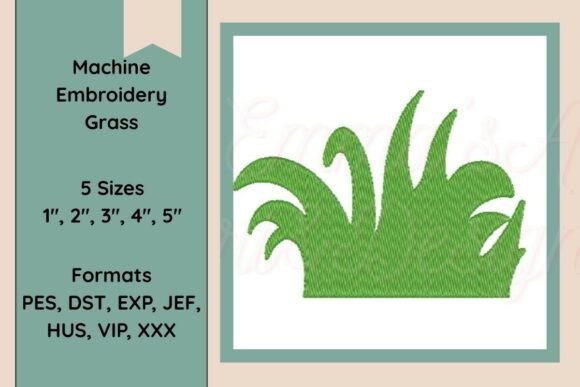
The moment you open this embroidery file, the mood is immediately set. It is not merely a background element; it feels like a living texture waiting to be anchored to fabric. For a sweatshirt embroidery project, the layout of Grass Embroidery needs to feel organic rather than rigid. The description suggests a "beautifully digitized" aesthetic, which implies that the individual strands of grass should have varying lengths and angles to mimic nature. This is crucial for boutique brand identity, where customers expect a handmade feel even in mass-produced items.
If this design is categorized under Single Flowers, it likely serves as a foundational element or a border that frames a central motif. On a cozy hoodie, such a design can act as a subtle chest accent or a bold back print. The visual recognition of this piece relies heavily on how the threads interact with the fleece texture. Does it look playful? Yes. Is it rustic? Absolutely. It strikes a balance between minimal and decorative, making it perfect for the current trend of garden-themed creations in streetwear.
Fabric Compatibility and Visual Impact
One of the most critical aspects of using Grass Embroidery for a limited drop is understanding how it behaves on different fabrics. Neutral sweatshirts are the ideal canvas for this design. The natural tones of beige, oatmeal, or heather grey allow the thread colors to pop without competing with the base fabric. However, the real test comes with dark fabric. If the design includes lighter thread shades, we must ensure there is sufficient stitch density to prevent the underlying color from showing through, which could ruin the crispness of the grass blades.
For pastel-colored oversized hoodies, Grass Embroidery adds a layer of depth that screen printing often lacks. The raised texture of the stitches catches the light differently, creating a tactile experience for the wearer. This is a key selling point for Etsy sellers and digital sellers who want their products to stand out in lifestyle product photography. When photographing these mockups, the shadows cast by the embroidery will emphasize the quality of the work, reinforcing the value of the handmade product.
Chest Placement vs. Back Designs
- Hoodie Chest Placement: For a subtle, sophisticated look, place Grass Embroidery over the left breast pocket area. It works beautifully as a standalone graphic or as a footer beneath a small logo. This placement suggests a casual, everyday wearability that appeals to the modern consumer.
- Sleeve Accents: A smaller iteration of the design on the sleeve cuff can add a delightful surprise detail. It transforms a standard garment into a custom apparel piece with unique branding elements.
- Back Designs: If the design allows for expansion, a larger version across the upper back creates a statement piece. This is ideal for marketing campaigns targeting creative entrepreneurs who want to make a visual impact.
Technical Considerations for Production
Beyond aesthetics, a professional review must address the practicalities of digitization. When preparing Grass Embroidery for commercial use, several technical factors come into play. Thread color contrast is paramount. If the design utilizes green threads on a green shirt, the lack of contrast will make the design disappear. Conversely, high-contrast combinations create a bold, eye-catching effect that drives customer engagement.
Stitch density is another vital concern. Sweatshirt fabric is thick and bulky compared to woven materials. If the digitizer has packed too many stitches into a small area, the resulting puckering can distort the hoop size and ruin the fit of the garment. We need to ensure the design is balanced so that the stabilizer choice—typically a cut-away stabilizer for heavy knits—can support the weight of the embroidery without tearing the fabric.
Readability at small sizes is also worth noting. If you plan to offer variations of this digital embroidery file for tote bags or hats, check if the fine details of the grass blades remain distinct when scaled down. Sometimes, designs that look lush on a large sweatshirt become muddy blobs on smaller accessories. Always verify the finished product appearance in your software before sending it to production.
Brand Identity and Commercial Value
Using Grass Embroidery in your collection does more than just decorate a shirt; it elevates your brand identity. In a market flooded with flat prints, the tactile quality of machine embroidery signals quality and care. Customers are willing to pay a premium for custom apparel that feels substantial. This design supports a narrative of nature, growth, and spring renewal, which resonates deeply during seasonal transitions.
For small shop product owners, investing in high-quality design assets like this one builds buyer trust. It shows that you have curated specific elements to enhance your offerings rather than using generic clip art. Whether you are an Etsy seller or running a dedicated online store, the ability to offer commercial embroidery services with a cohesive theme sets you apart. The embroidery file becomes a tool for storytelling, allowing you to connect with customers who appreciate the artistry behind the scenes.
Final Thoughts on Production Readiness
Before finalizing any orders for your spring apparel line, remember to double-check the specific technical specifications provided with Grass Embroidery. While the design promises to be beautiful, details regarding exact stitch counts, recommended thread colors, and specific license terms are essential for compliance and quality control. Ensure that the hoop size matches your equipment capabilities and that the fabric texture of your chosen sweatshirts complements the design's density.
Ultimately, Grass Embroidery holds immense potential for transforming simple garments into coveted fashion items. Its ability to blend rustic charm with modern style makes it a versatile addition to any embroidery catalog. By carefully executing the digitization and choosing the right materials, you can create a limited sweatshirt drop that feels authentic, premium, and deeply connected to the season. This is not just a design; it is a foundation for building a loyal community around your brand.