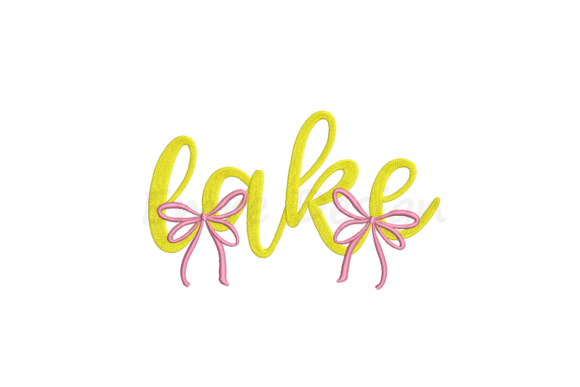
Coquette Lake Embroidery, Summer Design Review
As a professional embroidery designer who has spent years refining digital files for commercial production, I approach every new asset with a critical eye. When evaluating Coquette Lake Embroidery, Summer Design, my primary focus is not just on its aesthetic appeal, but on its viability as a functional tool for small business owners and apparel decorators. This design promises to spruce up fabrics with a charming, whimsical touch, but does it hold up under the scrutiny of real-world branding? After simulating its application across various merchandise categories, here is my detailed review.
First Impressions: A Blend of Whimsy and Professionalism
The title Coquette Lake Embroidery, Summer Design immediately sets a specific tone. It suggests a lightness and playfulness that resonates well with seasonal trends. In the world of brand identity, this design feels friendly rather than corporate, yet it retains enough structure to look polished. The description highlights a "fun and whimsical touch," which indicates that this file is perfect for businesses aiming to project an image of approachability and creativity. Whether you run a boutique, a creative studio, or a local bakery, this embroidery file offers a personality-driven accent that can elevate a plain product into a memorable piece of branded merch.
Visually, the design appears to balance modern aesthetics with a handmade presentation. It avoids looking overly stiff or generic, making it an excellent choice for handmade products where uniqueness is a selling point. However, the charm must be weighed against technical constraints. For a design to work in a commercial setting, it must translate from a digital preview to a tangible finished product without losing its integrity.
Real-World Application for Small Business Merch
I have analyzed how Coquette Lake Embroidery, Summer Design performs when applied to common small business assets. The versatility described in the product details—suitable for t-shirts, towels, and home decor—suggests broad utility, but specific applications yield better results.
- Embroidered Patches: This design shines when converted into an embroidered patch. Its whimsical nature makes it ideal for attaching to denim jackets, canvas bags, or hats. As a standalone brand mark, it adds a layer of character that customers appreciate.
- Staff Uniforms and Aprons: For cafes, bakeries, or florists, placing this design on an apron or chest logo can humanize the staff. It signals that the business cares about detail and style. On an apron embroidery project, it serves as a subtle yet distinct identifier.
- Tote Bag Design: Tote bags are a staple for small business merch. Using this design on a tote creates a cohesive look that aligns with the "summer" theme mentioned in the title. It acts as a walking advertisement that feels personal rather than mass-produced.
- Cap Embroidery: When adapted for caps, the design works best as a focal point. It captures attention without overwhelming the wearer, fitting perfectly within the custom apparel market.
In scenarios involving customer gifts or event merch, this design fosters engagement. It transforms a simple item into a keepsake, increasing the perceived value of the product and strengthening customer trust.
Strategic Considerations and Potential Pitfalls
While the design is promising, there are areas where caution is required. Not every surface is suitable for high-detail embroidery. If you intend to use Coquette Lake Embroidery, Summer Design on items like cap fronts or small patches, you must evaluate the stitch density carefully.
Small patch sizes often suffer from loss of detail. If the original file contains intricate outlines or tiny lettering, shrinking it down may cause the threads to merge, resulting in a muddy appearance. Similarly, curved surfaces like caps require specific digitizing adjustments to prevent puckering. High stitch density can also make the fabric feel stiff, which might be undesirable for soft cotton t-shirts or lightweight summer wear.
Fabric texture plays a crucial role as well. On textured materials, the design might not lay flat, affecting the visual consistency of your brand. Furthermore, dark uniforms present a challenge; if the thread colors chosen do not offer sufficient contrast, the "whimsical" details could get lost. Items that undergo frequent washing, such as work shirts or kitchen aprons, need robust construction to ensure the design remains crisp over time.
Impact on Brand Identity and Customer Perception
In the competitive landscape of Etsy sellers and digital file buyers, visual consistency is key. Using a design like Coquette Lake Embroidery, Summer Design can significantly influence buyer engagement. It communicates a sense of care and attention to detail, which translates directly to product value.
When a customer sees a high-quality embroidered logo on a tote bag or a neatly stitched patch on a hat, they perceive the business as more professional. This design helps build a narrative around your brand, suggesting that you are part of a community of creators who value quality. It moves the perception of your merchandise from "generic" to "curated." However, this effect relies entirely on execution. A poorly executed digital embroidery file can damage reputation just as quickly as a good one can build it.
Practical Designer Notes for Production
Before committing to a large production run, I strongly advise following these practical steps to ensure success with this design:
- Test in Black and White: Convert the design to monochrome first to check legibility and spacing. This ensures the core shapes hold up without relying on color contrast alone.
- Verify Stitch Density: Check the file settings to ensure the density is appropriate for the intended fabric. Too much thread can cause puckering; too little can leave gaps.
- Check Thread Colors: Review the available thread colors to ensure they match your brand palette while maintaining visibility against the base fabric.
- Inspect Spacing and Hoop Size: Confirm that the hoop size accommodates the design dimensions without cutting off elements. Ensure adequate spacing between stitches to prevent thread breaks.
- Test on Real Fabric: Never rely solely on a screen mockup. Stitch the design on the actual material you plan to use to see how the fabric texture interacts with the threads.
- Use Proper Stabilizer: Select a stabilizer that supports the weight of the embroidery. This is critical for maintaining the shape of the design during and after stitching.
- Create a Printable Mockup: Before sending to production, generate a printable mockup for client approval. This allows stakeholders to visualize the final result on the specific garment.
- Compare Design Assets: Place this design beside your other brand assets to ensure it fits the overall visual language of your company.
- Confirm Commercial Licensing: Always verify the licensing terms. Ensure you have the right to use commercial embroidery files for resale and branded merchandise.
If the exact stitch count, file format, or specific license terms are not clearly defined in the product description, you must contact the creator or check the documentation before proceeding. Do not assume compatibility with all machines or fabric types.
Final Thoughts on Coquette Lake Embroidery
Coquette Lake Embroidery, Summer Design represents a strong opportunity for small business owners looking to add a touch of personality to their inventory. Its whimsical nature makes it versatile for everything from tote bag designs to cap embroidery. However, success depends on rigorous testing and attention to technical details like stabilizer selection and stitch density.
By treating this design as a strategic brand asset rather than just a decorative element, you can leverage its charm to enhance your brand identity and drive customer loyalty. Whether you are creating custom apparel for a local shop or producing design assets for a broader audience, this file offers a solid foundation for professional results. Just remember: the difference between a good product and a great one often lies in the preparation and precision of the embroidery process.