Black History Faux Embroidery Africa PNG Review
As an experienced embroidery designer who has spent years refining designs for small business merchandise, I often evaluate digital assets before they ever touch a machine. Today, I am reviewing the Black History Faux Embroidery Africa PNG with a specific focus on its viability for commercial applications like branded patches, staff uniforms, and boutique product lines. When you are running a creative studio, a local café, or an Etsy shop, every visual element must serve a dual purpose: it must honor the cultural significance of the imagery while functioning flawlessly as a durable brand asset.
First Impressions and Visual Personality
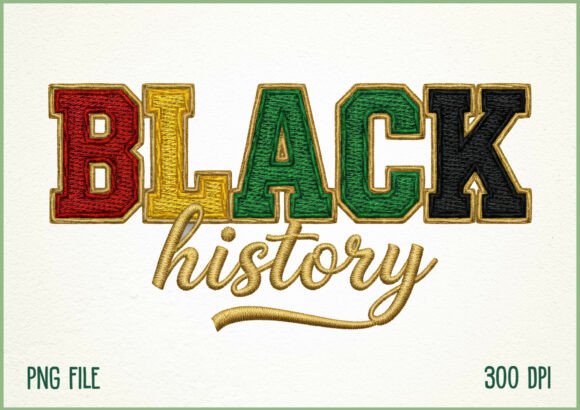
The moment you open the file details for the Black History Faux Embroidery Africa PNG, the aesthetic speaks volumes about its intended use. The title suggests a design that is both bold and deeply rooted in heritage. In my experience, "faux embroidery" graphics are designed to mimic the texture and depth of real stitching without requiring complex digitization files immediately. This makes them incredibly versatile for businesses that need high-quality visuals quickly.
The description highlights a resolution of 4500 × 5400 pixels at 300 DPI. For a small business owner, this is critical information. It means the design is print-ready and capable of maintaining sharp edges whether it is being applied to a large tote bag or a tiny product label. The transparent background ensures that the graphic will sit cleanly on any fabric color, from dark navy aprons to light beige cotton caps. Visually, this design feels professional yet approachable, striking a balance between modern elegance and rustic charm that appeals to customers looking for authentic, handmade products.
Real-World Application for Small Business Merch
Imagine a boutique coffee shop wanting to launch a line of branded merchandise. They could use the Black History Faux Embroidery Africa PNG to create custom embroidered patches for their baristas' uniforms. The high stitch density implied by the faux embroidery style would look excellent when stitched onto heavy-duty twill patches, adding a layer of prestige to the staff attire. Similarly, a florist might apply this design to the chest pocket of their work shirts, creating a subtle but meaningful accent that reinforces their brand identity.
For makers selling on platforms like Etsy, this design serves as a powerful tool for product differentiation. You can integrate it into your packaging accents, turning a simple cardboard box into a branded experience. A pet brand could use the graphic on dog bandanas or collar tags, while a bakery might feature it on chef hats or apron embroidery projects. The versatility extends to cap embroidery as well; placing this design on the front panel of a baseball cap can instantly elevate a standard promotional item into a statement piece.
When used correctly, the Black History Faux Embroidery Africa PNG enhances customer trust. Customers today value brands that tell a story. By incorporating a design that celebrates heritage and culture, you signal that your business is thoughtful and inclusive. This emotional connection drives engagement and encourages repeat purchases. Whether you are producing event merch for a community gathering or creating limited edition runs for a holiday sale, this graphic provides a consistent visual anchor that ties all your products together.
Strategic Considerations and Potential Pitfalls
While the potential is vast, a professional review must also address where caution is required. Not every surface is suitable for high-detail embroidery. If you plan to use this design on small patch sizes, be mindful that intricate outlines may become muddy if the physical size is too reduced. Cap fronts present another challenge; curved surfaces can distort fine details, so testing the layout on a mockup is essential before mass production.
Texture plays a significant role in how the design translates. On textured fabrics like wool or rough linen, the "faux" effect might lose some of its crispness. Additionally, if your target audience requires frequent washing, such as for work shirts or aprons, ensure that the thread colors chosen offer sufficient contrast against the fabric to prevent fading from becoming unnoticeable. Dark uniforms require careful selection of thread shades to ensure the design pops rather than blending into the background. Always inspect the spacing of the design elements to confirm they remain legible when scaled down for smaller items like product labels or tote bag corners.
Impact on Brand Identity and Value
Using a high-resolution digital embroidery file like this one directly influences the perceived value of your finished product. A poorly executed logo can make a premium item feel cheap, whereas a clean, well-placed design elevates the entire collection. The Black History Faux Embroidery Africa PNG offers a level of sophistication that suggests attention to detail. When a customer sees a uniform with a cohesive, professionally rendered patch, they perceive the business as more established and trustworthy.
This consistency is key for brand recognition. By using this specific design across various touchpoints—caps, bags, uniforms, and packaging—you create a unified visual language. It transforms random merchandise into a curated collection. For handmade brands, this visual consistency bridges the gap between the artisanal nature of the product and the professionalism of a corporate entity. It tells the buyer that the care put into the product extends to every aspect of the brand presentation.
Practical Notes for the Embroidery Designer
Before committing to a full production run, I recommend following a strict workflow. First, test the design in black and white to ensure the composition holds up without relying on color contrast. Check if the design works effectively at the smallest intended patch size; if the details are lost, you may need to simplify the motif or increase the dimensions.
Review your thread color choices carefully. The Black History Faux Embroidery Africa PNG likely contains specific color palettes that should be matched with high-quality threads to maintain vibrancy. Inspect the spacing between elements to avoid thread breaks during machine embroidery. Confirm that your hoop size accommodates the design area comfortably to prevent distortion. Most importantly, always test on the actual fabric you intend to use. Different materials react differently to stabilizers and tension settings.
Create a printable mockup for client approval before cutting fabric. This allows stakeholders to visualize the final product and catch any issues early. Compare this design asset alongside your other branding elements to ensure visual harmony. Finally, strictly confirm commercial licensing terms before using the design on items for sale. Ensure you have the rights to reproduce the Black History Faux Embroidery Africa PNG on merchandise and that you are not violating any usage restrictions.
Conclusion for Merch Creators
In summary, the Black History Faux Embroidery Africa PNG is a robust resource for small business owners and designers seeking to enhance their apparel and accessories. With its high resolution and professional aesthetic, it fits seamlessly into categories ranging from T-Shirt Designs to branded patches. By understanding its strengths and respecting its limitations regarding scale and fabric texture, you can leverage this graphic to build a stronger, more recognizable brand. Whether you are outfitting a team of baristas or launching a new line of tote bags, this design offers the visual punch needed to stand out in a crowded market.